A sagging multifunctional sofa bed can turn a comfortable room into an uncomfortable daily compromise. The problem often appears gradually. One morning, you notice a deep hollow beneath the seat or a sharp metal bar under your back. You may ask, “why is my multi functional sofa bed sagging,” especially when the frame still looks intact.
Several parts can create this problem. Flattened foam may lose its support after years of sitting and sleeping. Broken webbing, stretched springs, loose bolts, or a bent hinge can also change the sofa bed’s shape. Moisture and excessive weight may worsen the damage. Sometimes, the mattress is blamed when the real weakness sits inside the platform. Diagnosis is not always obvious.
This guide examines practical causes and realistic repair options. It explains how to inspect the cushions, sleeping surface, support bars, hinges, and underside fabric. A flashlight, measuring tape, and screwdriver can reveal useful clues. Place the bed on a level floor before testing it. Small details matter.
Some repairs are simple. Tightening hardware or replacing worn support straps may restore stability. Other cases need replacement foam, a new mattress, or professional assessment. Do not force a stuck folding mechanism. It may damage the frame or cause an injury. My experience with sofa beds suggests that quick fixes can hide deeper wear. A careful inspection is safer and usually saves money. This article will help you identify the likely cause, judge the repair’s value, and decide when replacement makes more sense.
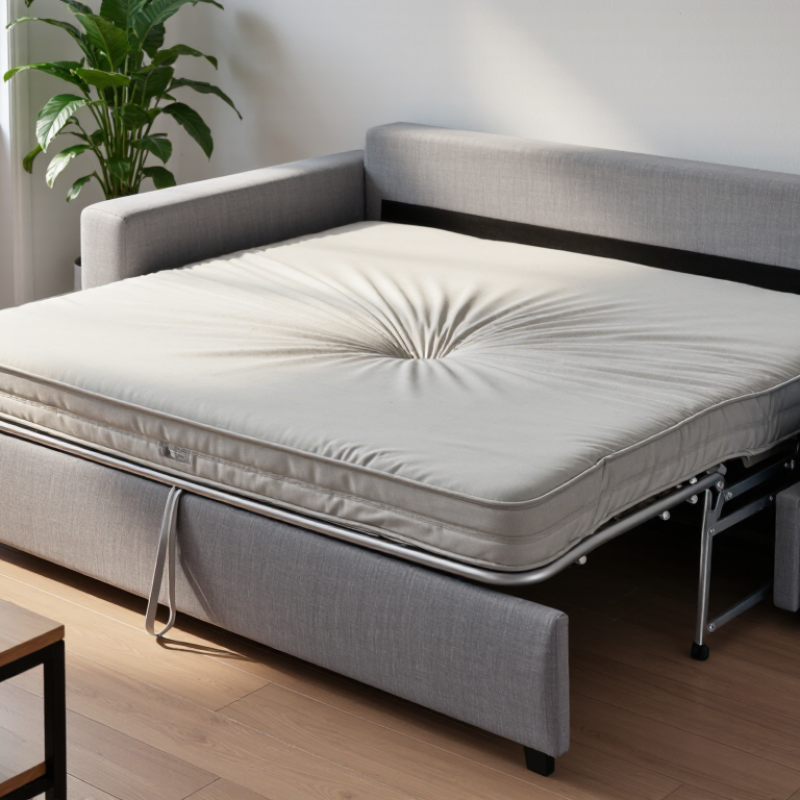
A multifunctional sofa bed can sag when its support system loses tension, strength, or alignment. In my furniture inspections, the seat often dips where people sit most. Daily pressure compresses foam, flattens fiber filling, and weakens elastic webbing. Foam may look intact, yet feel soft and uneven. That difference matters. A thin mattress folded repeatedly can also develop a permanent crease. If the sofa bed stays open for weeks, its center may carry uneven loads. This is easy to overlook.
The frame is another common cause. Loose bolts, cracked slats, or bent hinges can lower one section. On wooden frames, moisture changes may cause slight movement or warping. Metal parts can loosen after frequent opening and closing, especially when the mechanism is pulled at an angle. Check the floor too. An uneven floor can make a healthy sofa bed appear damaged. I once blamed the cushion before finding a small leg gap. That mistake was useful, but avoidable.
Weight distribution and maintenance also influence sagging. Sitting repeatedly on one edge strains springs and joints. Children jumping on the surface can create sudden stress. Inadequate clearance beneath the bed may stop the mechanism from opening fully. Remove the cushions and inspect the support deck under bright light. Measure the dip with a straightedge, then compare both sides. If the frame feels unstable or the hinge binds, stop using the bed until a qualified repair professional checks it. A replacement cushion will not fix a weakened frame. Sometimes the cause is less obvious.
A multifunctional sofa bed usually sags because one support layer has weakened. The visible dip may come from compressed foam, bent slats, loose hinges, or a distorted frame. Do not blame the mattress immediately.
Remove the cushions and mattress, then inspect the surface with a flashlight. Press the seat in several places. A soft, wide depression usually indicates tired foam or stretched upholstery. A sharp dip near the center may point to a broken slat or missing support. Listen for clicking sounds when opening the bed. Loose hardware often reveals itself there. I once blamed the foam, but a slightly detached center rail caused the real problem.
Check the floor as well. An uneven floor can twist the frame and create an artificial sag. Place a straightedge across the sleeping platform and compare both sides. Measure the gap beneath it. If one corner sits higher, adjust the floor contact points before replacing parts. Inspect screws, brackets, folding joints, and wood connections for movement. Do not force a stiff mechanism.
The repair choice depends on the source. Replace collapsed foam when the frame remains level and firm. Tighten or replace damaged hardware when the structure shifts.
A cracked frame needs careful professional assessment, especially if the sofa carries daily weight. Take photos before disassembly. Small details are easy to forget.
Why Is My Multifunctional Sofa Bed Sagging?
How to Check the Frame, Springs, Cushions, and Support System
A sagging multifunctional sofa bed usually points to more than tired cushions. Start with the frame. Remove the cushions and open the bed mechanism slowly. Look for bent rails, loose screws, cracked wood, or uneven gaps around the joints. Press each corner by hand. A solid frame should feel firm, not twist or creak excessively. Do not ignore small movements. They often become larger under nightly use.
Inspect the springs next. Coil springs should sit evenly and return after gentle pressure. Zigzag springs may sag when a clip loosens or the wire stretches. Run your hand across the surface, using a thin cloth for protection. Sharp points or sudden dips require caution. The support system beneath the mattress also matters. Check slats, webbing, center legs, and crossbars. A missing leg can shift weight toward one side. It is an easy detail to overlook.
Examine the cushions on a flat floor. Rotate and reshape removable cushions, then compare their height. Foam that stays compressed may need replacement, although adding loose filling is not always a real fix. I have found that uneven floors can imitate structural failure. Measure the sofa bed from several points before deciding. A careful inspection can still miss hidden damage inside the mechanism. If the frame bends during opening, stop using the bed until a qualified furniture technician checks it.
A practical inspection guide for identifying the source of sagging in sofa and sofa-bed assemblies
| Inspection Area | Typical Signs of Sagging | How to Check | Practical Finding | Recommended Action |
|---|---|---|---|---|
| Overall seat level | One sitting position is visibly lower than the surrounding seat area. | Remove loose cushions and place a straightedge across the seat support. Measure the deepest vertical gap with a ruler. | A shallow, even dip may reflect normal cushion compression. A localized dip that remains without load points to a support problem. | Continue with frame, spring, and platform checks before replacing cushions. |
| Wood or metal frame | Creaking, rocking, leaning, separated joints, cracked wood, bent metal, or a frame that is no longer square. | Place the sofa on a level floor. Check the legs, corner joints, center rails, bolts, welds, and the alignment of the pull-out bed mechanism. | Loose fasteners or joint movement under light hand pressure indicate structural instability. Cracks or bent load-bearing parts are more serious. | Tighten accessible hardware. Do not use the bed function if a load-bearing member is cracked, bent, or detached. |
| Seat springs | A sharp pressure point, uneven bounce, metallic noise, or a seat that drops more on one side. | With upholstery safely opened or removed where designed, inspect zigzag springs, coil springs, clips, and connecting wires for displacement or breakage. | Springs should be evenly spaced, secured at their attachment points, and free from broken ends or excessive deformation. | Replace damaged springs or clips with compatible parts. Avoid improvised wire repairs that can damage fabric or cause injury. |
| Webbing or elastic support | Broad, hammock-like sagging; the seat feels soft across its entire width rather than in one small spot. | Inspect webbing for stretching, fraying, detached staples, torn stitching, and uneven tension. | Support straps should remain firmly attached and should not show torn edges or permanent slack when unloaded. | Replace the complete affected strap set when possible so tension remains consistent from side to side. |
| Sofa-bed platform or slats | The sleeping surface dips at the center, the deck does not sit flat, or the mechanism feels unstable when opened. | Open the bed fully on a level floor. Check slats, hinges, deck panels, center supports, locking points, and rollers. | Slats should be straight and secure; folding sections should meet evenly without a raised or collapsed joint. | Tighten or replace loose slats and hardware. Keep the mechanism fully locked in its intended position during use. |
| Seat foam | The cushion stays compressed after standing up, feels lumpy, or bottoms out quickly. | Remove the cover if it is designed to be removed. Compare the cushion thickness, firmness, and shape with an adjacent cushion. | Permanent deformation, torn foam, or a noticeably thinner center indicates foam fatigue rather than a frame defect. | Rotate or flip reversible cushions. Replace the foam insert when recovery remains poor after redistribution. |
| Cushion cover and filling | Loose corners, flattened filling, bunching, or a cover that no longer fits evenly. | Remove the cover if permitted and redistribute loose fiber or fiber-wrap. Check whether the zipper, seams, and inner liner are intact. | Uneven filling can create a false impression of structural sagging even when the base is level. | Fluff and rotate cushions regularly. Repair torn covers before loose filling escapes or shifts further. |
| Legs and center support | The sofa rocks, one corner sits low, or the center of the frame appears unsupported. | Push gently on each corner and inspect all legs, glides, brackets, and any center foot or support rail. | A missing, loose, or shortened support can transfer excessive load to the springs and frame. | Secure or replace the correct support component. Do not shim with unstable household objects. |
| Load distribution | Sagging is concentrated where one person usually sits or where the bed is repeatedly folded. | Compare the frequently used area with the least-used area and review whether the sofa is being used above its stated capacity. | Repeated point loading accelerates foam, webbing, spring, and hinge wear. | Follow the product's stated seating and sleeping limits; avoid jumping, kneeling, or dropping onto the deck. |
| Safety condition | Sharp metal, exposed broken spring ends, unstable locking parts, or a bed platform that shifts during use. | Inspect with the furniture unloaded and the mechanism secured. Use gloves when examining internal metal components. | Any sharp, loose, or load-bearing damaged part is a safety concern, regardless of the measured amount of sag. | Stop using the affected seat or bed function until the component is professionally repaired or replaced. |
Why Is My Multifunctional Sofa Bed Sagging?
Step-by-Step Ways to Repair or Reinforce a Sagging Sofa Bed
A sagging multifunctional sofa bed usually has a weak support point, not just tired cushions. Remove the mattress and cushions, then inspect the frame, slats, springs, hinges, and center supports. Look for cracked wood, loose bolts, bent metal, or stretched webbing. Press each section by hand. Uneven movement often reveals the problem.
Measure the sleeping surface before buying materials. Replace cracked slats with boards of similar thickness and width. Tighten loose bolts, but avoid over-tightening delicate joints. If the middle sags, install a properly sized center support with a stable foot beneath it. A thin plywood panel can spread weight across weak slats, but it must not block the folding mechanism. Leave enough clearance for hinges and moving parts.
For fabric-supported seats, replace damaged webbing rather than layering more foam on top. Secure each strip firmly and keep the tension even. My first repair attempt used a thick board, but the bed would not fold smoothly afterward. That mistake taught me to test the mechanism after every small change. Open and close the sofa bed slowly several times. Listen for scraping or sudden cracking. Add felt pads only where they cannot shift into the hinges.
Do not exceed the frame’s stated weight capacity. If the frame remains twisted, welded joints are cracked, or the mechanism feels unsafe, stop using the bed and seek a qualified furniture repair professional. A temporary fix is still a risk if guests depend on it overnight.
Why Is My Multifunctional Sofa Bed Sagging?
How to Prevent Future Sagging and Extend Its Usable Life
Sagging often develops when cushions compress unevenly or the sleeping platform lacks steady support. A bent slat, loose hinge, or weakened frame can also create a low center. I once ignored a slight dip near the edge, assuming the cushion needed more filling. The problem was a loose support connection underneath.
Inspect the sofa bed every few months. Remove the cushions and check screws, hinges, slats, and connecting brackets. Tighten loose hardware carefully, but do not force damaged parts. Rotate reversible cushions to distribute pressure. If the covers allow it, wash them according to their care instructions and let them dry completely. Moisture can weaken padding and encourage unpleasant odors.
Keep weight centered across the seating and sleeping surfaces. Avoid repeatedly sitting on one narrow edge. Open and close the bed smoothly, without dragging the frame across the floor. A properly fitted support board may help, but it should not block the folding mechanism. Check the manufacturer’s weight guidance before adding extra layers or storage underneath.
Small changes matter.
Use a supportive mattress topper only when the frame remains level. If the platform still dips, stop using the bed until a qualified furniture technician checks it. I should have inspected mine earlier; delaying repairs made the uneven wear worse. Regular checks may feel unnecessary, yet they protect comfort and extend the sofa bed’s usable life.
A weak support layer usually causes the dip. Compressed foam, bent slats, loose hinges, or a twisted frame may be responsible. Do not blame the mattress immediately.
Remove the cushions and mattress. Use a flashlight to inspect the platform. Press several areas by hand. A wide, soft dip often suggests worn foam. A sharp center dip may indicate a broken slat or missing support.
Yes. An uneven floor can twist the frame and imitate structural damage. Place a straightedge across the sleeping surface. Compare the gaps beneath both sides. Adjust the floor contact points before replacing parts.
Inspect screws, brackets, hinges, slats, springs, and wood connections. Listen for clicking, scraping, or sudden cracking during slow movement. Do not force a stiff mechanism.
Replace cracked slats with boards of similar thickness and width. If the center sags, add a correctly sized support with a stable foot. Measure carefully. A thick board once stopped my bed from folding.
A properly fitted plywood panel can spread weight across weak slats. Leave enough clearance for hinges and moving parts. Test the folding action immediately. Small gaps matter.
Replace damaged webbing instead of adding more foam. Secure every strip firmly and keep the tension even. Uneven tension can create another dip.
Inspect the sofa bed every few months. Check screws, hinges, slats, and brackets. Rotate reversible cushions to distribute pressure. Keep weight centered across the seating surface. Avoid repeatedly sitting on one narrow edge.
Stop using it if the frame remains twisted or welded joints are cracked. Also stop when the mechanism feels unstable or unsafe. A qualified furniture repair professional should assess serious structural damage.
A multifunctional sofa bed may sag because its frame has loosened, the support slats have shifted, the springs have weakened, or the cushions have become compressed through regular use. If you are wondering, “why is my multi functional sofa bed sagging,” begin by locating the lowest area and checking whether the problem comes from the seating surface, sleeping platform, frame, or support mechanism. Remove the cushions and inspect for uneven padding, bent components, broken fasteners, damaged springs, or gaps in the base.
Minor sagging can often be improved by tightening screws, replacing worn support slats, adding suitable reinforcement beneath weak areas, or rotating and restoring the cushions. Severely damaged springs, frames, or folding hardware may require professional repair or replacement. To prevent future sagging, distribute weight evenly, avoid standing or jumping on the sofa bed, open and close the mechanism carefully, rotate cushions regularly, and inspect the support system from time to time. Consistent maintenance can improve comfort, stability, and the sofa bed’s usable life.
