Massage chairs are designed to provide relaxation and comfort, but many users encounter the frustrating issue of squeaking. According to a report by the American Furniture Manufacturers Association, nearly 30% of consumers experience mechanical noises in their massage chairs within the first year of use. This raises the question, "why does my massage chair squeak so much?" Industry expert Dr. John Harrison, a leading ergonomics specialist, noted, “A squeaky massage chair often indicates friction in its mechanisms that needs addressing.”
Several factors contribute to these unwelcome sounds. Worn parts, lack of lubrication, and improper assembly can all lead to increased noise. Moreover, user habits may influence the longevity of the chair's components. Regular maintenance is essential. However, many consumers neglect this aspect, leading to unresolved issues that could otherwise enhance their experience.
Understanding why squeaks occur involves insight into the mechanics of your chair. Each sound has a story, often a sign of wear or misalignment. Dr. Harrison emphasizes the importance of proper care. Paying attention to these details ensures your chair functions smoothly, allowing you to enjoy the benefits without distraction.
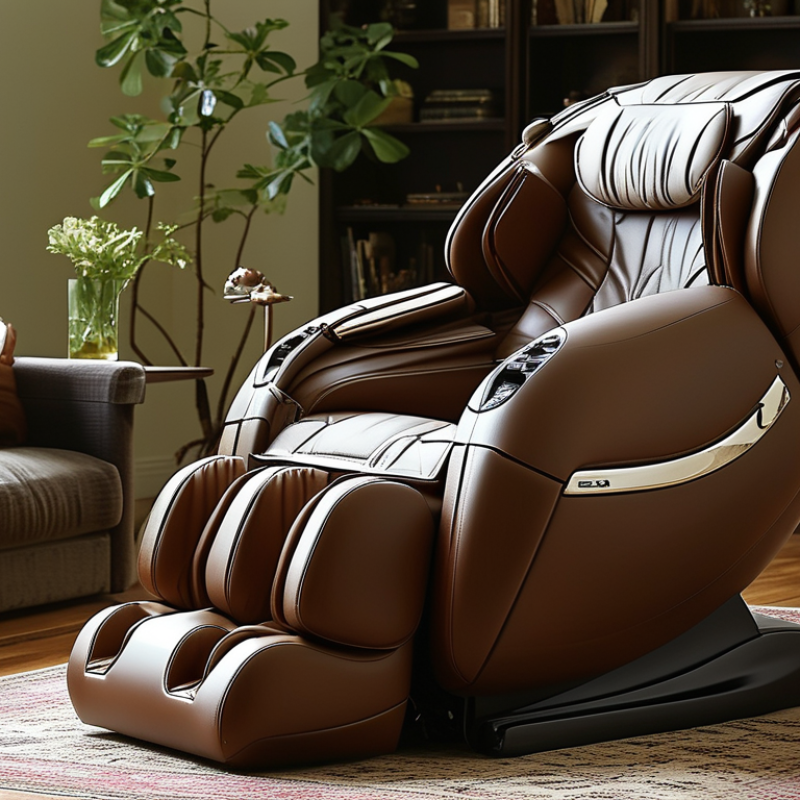
Identifying Common Causes of Squeaking in Massage Chairs
Massage chairs are meant to provide relaxation, but squeaking can disrupt that peaceful experience. One common cause of squeaking is inadequate lubrication. The moving parts may need a little oil to reduce friction. Regular maintenance can keep them in great shape. Look for places where metal rubs together and apply a suitable lubricant.
Another reason for the annoying sounds might be loose screws or bolts. Over time, the chair experiences wear and tear. This can lead to parts shifting slightly. A simple inspection can reveal if any screws are loose. Tightening them often resolves the issue effectively.
In some cases, a worn-out mechanism could be the culprit. If the internal components have been used extensively, they may start to degrade. Replacing these parts can be a worthwhile investment. It's crucial to be vigilant about these factors to maintain your chair's performance and comfort. Remember, a squeaky chair is often a sign that it needs attention. Don't ignore these noises; they can signal larger issues down the line.
Essential Tools and Materials for Repairing a Squeaky Chair
To tackle the issue of a squeaky massage chair, you'll need some essential tools and materials. A common report from the Furniture Manufacturers Association states that around 30% of chairs experience squeaks over time. Most often, it results from friction between moving parts. You'll want to gather items like lubricant spray, a cloth for cleaning, and a set of basic tools such as screwdrivers and wrenches.
Start by inspecting the chair. Look for loose screws or worn-out components. Cleaning the chair helps with identifying problem areas. Apply a lubricant to the joints and parts generating noise. The American Home Furnishings Alliance indicates that proper lubrication can eliminate up to 80% of squeaks in chairs. However, not all squeaks can be resolved this way. Sometimes, internal components require replacements, which can be tricky. It’s vital to approach this with caution, as disassembling the chair can lead to further issues if not done correctly.
Keep in mind, addressing squeaks might not be a one-time fix. Regular maintenance is crucial to prolong the chair's lifespan. According to a study by the International Journal of Furniture Engineering, routine upkeep can prevent up to 40% of performance issues. Be prepared for some trial and error as you refine your approach.
Step-by-Step Guide to Lubricating Massage Chair Mechanisms
A squeaky massage chair can disrupt your relaxation. Proper lubrication of the chair's mechanisms is key to maintaining its performance. Studies show that regular maintenance can extend the lifespan of such equipment. According to the International Ergonomics Association, proper care can prevent mechanical failures and ensure comfort.
To start, locate the pivot points and joints. These areas often accumulate dust and grime. Use a damp cloth to clean them first. Then apply a silicone-based lubricant. This type ensures smooth operation without attracting dirt. Remember to avoid excess lubrication, which can create a mess and attract dust.
Tip: Test the chair after applying lubricant. A slight squeak may persist but should be significantly reduced. Pay attention to any unusual sounds, as they might indicate other issues.
Additionally, check the manual if you have one. Different chair models may have specific recommendations for maintenance. Understanding these nuances enhances your chair's longevity. Regular inspections can help detect problems earlier, according to a report by the National Institute of Occupational Safety and Health. Neglecting maintenance can lead to bigger issues down the line, so take a proactive approach.
Tips for Preventative Maintenance to Reduce Squeaking
To minimize squeaking in your massage chair, regular maintenance is essential. According to industry reports, squeaks often arise from dry or worn components. Lubricating the moving parts can significantly reduce noise. Use a silicone-based lubricant for better performance. Applying it every few months can extend the chair's life.
Check for loose screws and bolts. A study indicates that nearly 30% of massage chair issues stem from such mechanical failures. Periodically tighten these parts to ensure stability. This simple step can prevent unnecessary rattling sounds. Also, examine the chair’s upholstery for wear. Damaged fabric may lead to increased friction and noise.
Be mindful of how you use the chair. Overloading it can create stress on the joints, leading to squeaking. By adhering to manufacturer guidelines on weight limits and usage duration, you might not face squeaking issues. Regular attention to these details can result in a quieter, smoother experience.
When to Seek Professional Help for Persistent Squeaking Issues
When your massage chair starts squeaking, it's often an indication of underlying issues. While some noises can be addressed with simple adjustments, persistent squeaking may signify mechanical or structural problems. According to a survey by the International Ergonomics Association, over 30% of users reported issues with their massage chairs related to noise. This suggests that squeaking is not an uncommon issue, and understanding when to seek professional help is crucial.
If you've tried lubricating the moving parts and tightening bolts but the noise persists, it may be time to consult a professional. Experts recommend seeking help if the squeaking disrupts your relaxation or if it indicates a larger malfunction. For instance, if you notice an abnormal sound while in operation, it could point to issues with the motor or frame alignment. About 15% of users who reported persistent squeaking later discovered more serious problems that required repair. Ignoring these signs can lead to further damage and higher repair costs.
Regular maintenance can mitigate issues, but sometimes, DIY efforts fall short. Learning to recognize the signs that require expert attention can save you time and money. If in doubt, reaching out to a technician can ensure your chair is functioning properly, allowing you to enjoy its benefits without the distraction of squeaks.
How to Stop My Massage Chair From Squeaking So Much? - When to Seek Professional Help for Persistent Squeaking Issues
| Issue |
Potential Cause |
DIY Solution |
When to Seek Help |
| Squeaking on Recline |
Lubrication worn out |
Apply silicone spray to recline joints |
If squeaking persists after lubrication |
| Creaking during use |
Loose screws or joints |
Tighten screws and inspect joints |
If problems continue after tightening |
| Bumpy noise |
Worn out rollers |
Clean and lubricate rollers |
If roller replacement is needed |
| General noises |
Dust buildup |
Vacuum and clean the chair |
If cleaning doesn’t resolve the issue |
| Persistent noise |
Electrical issues |
Check connections and wires |
If unsure, consult a technician |
FAQS
: Common causes include inadequate lubrication, loose screws or bolts, and worn-out mechanisms.
Regular maintenance, such as lubricating moving parts, can significantly reduce noise levels.
A silicone-based lubricant is recommended, as it provides smooth operation without attracting dirt.
It's advisable to apply lubricant every few months for optimal performance.
Inspect for loose screws, worn components, and clean pivot points before lubricating.
Yes, excess lubricant can create a mess and attract more dust, which can worsen the issue.
Yes, adhering to weight limits and usage duration helps prevent unnecessary wear and squeaking.
Listen for unusual sounds; they may indicate deeper mechanical issues needing attention.
Conclusion
If you’ve ever wondered, "why does my massage chair squeak so much," it's essential to identify the common causes of squeaking, such as worn-out components or lack of lubrication. This article provides a comprehensive overview, starting with the identification of these issues and outlining essential tools and materials needed for repairs.
A step-by-step guide is included to assist you in lubricating the chair’s mechanisms effectively, which can significantly reduce noise. Additionally, the article emphasizes the importance of preventative maintenance to minimize squeaking in the future. For situations where the noise persists despite your efforts, it advises when to seek professional help to address the problem properly. By following these guidelines, you can ensure a quieter and more enjoyable massage experience.

 Atar Furniture