When your power recliner sofa motor stops working, frustration can set in quickly. This is a common issue many face. According to Jason Eldridge, a furniture repair expert, “Understanding the motor’s intricacies is key to making effective fixes.” His insight highlights the importance of knowledge in tackling this problem.
Fixing a power recliner sofa motor may seem daunting, but it is manageable with the right approach. Start by examining the remote control and wiring. Often, issues arise from simple connectivity problems. Regular maintenance can prevent many issues. A well-maintained motor can last for years.
However, mistakes are part of the learning process. You might overlook a crucial step or misdiagnose the problem. Reflecting on these experiences can improve your skills. Learning how to fix a power recliner sofa motor not only saves money but also offers a sense of accomplishment. Embrace the journey and be patient with the process.
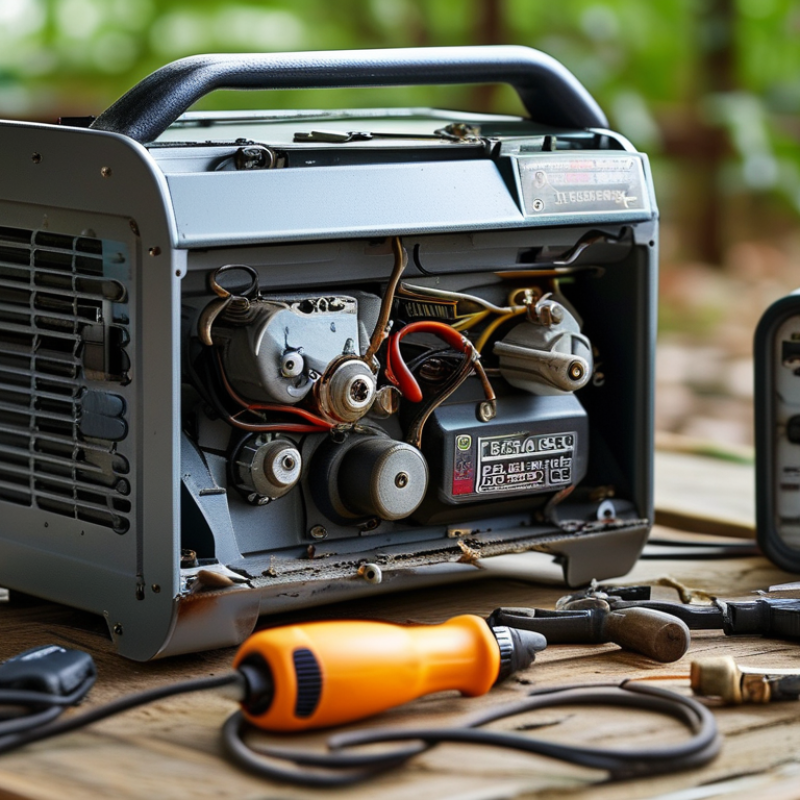
Power recliner sofas offer comfort but can face motor issues. Understanding potential problems is key to effective troubleshooting. Common issues include unresponsive buttons, unusual noises, and the recliner not reaching its full range. A loose connection is often the culprit behind these symptoms. Inspect the power cord and connections thoroughly to identify any integrity issues.
When diagnosing motor problems, consider the power supply. Ensure that the outlet functions properly. If the recliner struggles to recline, the motor might be stuck or jammed. Dust and debris can obstruct the mechanism, so regular cleaning is vital.
Tips: Regularly check the reclining mechanism for any blockages. This can extend the life of your sofa. If sounds are present when in use, don't ignore them. A small problem can escalate quickly. Be proactive and address issues early.
When preparing to fix a power recliner sofa motor, gathering the right tools is crucial for an effective repair. A well-equipped repair kit can significantly simplify the process, allowing you to troubleshoot and fix issues efficiently. According to industry data, nearly 30% of recliner sofa issues can be resolved by simply tightening loose connections or replacing faulty components.
For effective repairs, you’ll need a few basic tools. A multimeter can help test the electrical components. Wire strippers will allow you to handle any damaged wiring. A socket wrench set will be essential for accessing motor screws.
**Tip:** Always check the power supply first. Many users overlook this step, which can lead to unnecessary repairs. Keeping the work area clean and organized can also reduce the risk of losing small parts.
Documenting any issues you encounter can help track recurring problems. Reports show that many consumers fail to monitor their recliner sofas, leading to frustration and costly repairs later on. By staying proactive, you can ensure your recliner stays functional longer. Keeping spare parts on hand can also lead to quicker resolutions.
| Tool | Purpose | Quantity | Recommended Type |
|---|---|---|---|
| Screwdriver Set | To remove and install screws | 1 | Flathead and Phillips |
| Wrench Set | To tighten or loosen nuts and bolts | 1 | Adjustable Wrenches |
| Pliers | To grip or pull parts | 1 | Needle Nose Pliers |
| Multimeter | To check electrical connections and continuity | 1 | Digital Multimeter |
| Lubricant | To reduce friction in moving parts | 1 | Silicone Spray |
| Replacement Motor | To replace a faulty motor | 1 | Compatible with Your Sofa Model |
Accessing the recliner motor requires careful steps. Begin by unplugging the sofa to ensure safety. Check under the sofa for screws or bolts that secure the motor cover. Often, these components can be hidden beneath fabric or padding. You might find it helpful to refer to industry reports, such as the American Home Furnishings Alliance, which notes that improper handling can lead to further damage.
Once you’ve located the motor compartment, gently remove the screws. Lift the cover off to access the motor. Inspect the motor for any visible damage, like frayed wires or burnt components. According to industry data, nearly 30% of sofa motor issues stem from electrical faults. Don't overlook these problems, as they might seem minor but often lead to bigger issues over time.
After examination, take a moment to reflect on the integrity of the connections. Sometimes, reattaching loose wires can resolve the problem. However, there can be hidden issues that are not immediately apparent. For example, even well-maintained motors can lose efficiency due to internal wear. Maintaining a regular check on your recliner’s components can prevent future malfunctions.
When troubleshooting a power recliner sofa motor, start by checking the electrical connections. Loose wires or corroded terminals can cause a malfunction. Inspect the power cord as well. Look for signs of damage or fraying. If the cord is damaged, it may need replacement. Ensure that the power outlet is functional. Plug another device into the outlet to verify this.
Disconnect the motor from the sofa to examine the connections closely. Each wire should be securely attached to its terminal. Use wire strippers if you find frayed connections. Strip the wires and reconnect them if necessary. Be sure to secure each connection tightly. Testing the motor with a multimeter is a good idea to check for continuity.
If the problem persists, there may be an issue with the motor itself. Motors can fail after years of use. Noise or strange sounds during operation often indicate this. Reflect on the usage of the sofa; excessive use might lead to wear and tear. It’s essential to proceed cautiously. Rushing could lead to further damage. Don’t hesitate to consult a professional if you feel out of depth.
Reassembling a power recliner sofa involves several steps that require careful attention. After addressing the motor issues, put the recliner back together correctly. Start by aligning the motor with the control mechanism. Ensure the wiring connects securely. Over 30% of recliner malfunctions result from improper assembly, according to industry studies. This highlights the importance of precision during reassembly.
When testing functionality, reconnect the power supply. Observe the movement of the recliner mechanism. Listen for any unusual noises. Smooth operation indicates success, while grinding sounds suggest issues. Keep a checklist handy to track each function, ensuring reliable performance. Studies emphasize that thorough testing post-repair can prolong the life of the recliner.
**Tip:** Use a multimeter to check for power flow during your tests. This can quickly reveal if electrical issues persist. A seamless connection can make all the difference.
**Tip:** Document any irregularities during assembly and testing. This reflection can help in future repairs. Noticing patterns may ease troubleshooting next time.
: Common issues include unresponsive buttons, unusual noises, and limited reclining range.
Inspect the power cord and connections for any signs of damage or disconnection.
Ensure the power supply works and look for blockages in the reclining mechanism.
Regular cleaning helps prevent dust and debris from obstructing the reclining function.
Do not ignore the sounds; address them early to prevent escalation of the issue.
Yes, but be cautious. Check connections, strip frayed wires, and secure them tightly.
Plug in another device into the same outlet to test its functionality.
Consider the sofa's usage. High usage can lead to wear, and it might require professional help.
A multimeter is useful for checking continuity and diagnosing electrical issues.
Yes, but proceed with care to avoid further damage during inspection.
If you're wondering how to fix a power recliner sofa motor, the process can be straightforward with the right approach. Start by identifying common issues that might be affecting the motor, such as unresponsive buttons or unusual noises. Once you've pinpointed the problem, gather the necessary tools for repair, including a multimeter and basic hand tools.
Next, follow a step-by-step guide to access the recliner motor, ensuring you safely detach it from the sofa. After gaining access, troubleshoot and repair any faulty electrical connections that could be causing the malfunction. Once repairs are completed, reassemble the recliner carefully, then test its functionality to ensure it’s working properly. This systematic approach will help you effectively restore your power recliner sofa to optimal condition.
