Creating an inviting home cinema experience begins with selecting the right seating. According to a recent industry report from Future Market Insights, the home theater seating market is projected to grow significantly, reflecting the rising demand for personalized cinema experiences in homes. As homeowners become more invested in creating their perfect entertainment spaces, understanding how to choose the right home cinema seating becomes crucial.
Comfort and style should go hand in hand. Data from the American Institute of Stress indicates that comfort directly impacts viewer satisfaction, thus enhancing the overall experience. People spend hours watching movies. Therefore, the right seating can make or break your enjoyment. Beyond comfort, factors like material, size, and layout are essential. Research shows that a well-designed layout can improve acoustics and sightlines, ensuring you don’t miss a moment.
Choosing the right seating is not just about aesthetics; it’s about creating a cohesive environment. Homeowners often overlook essential details, leading to less-than-ideal setups. Balancing practicality with style is vital. In a world where first impressions matter, home cinema seating should reflect personal taste while ensuring comfort. Therefore, consider both form and function when making your selection, and don't be afraid to experiment until you find the perfect fit for your cinematic space.
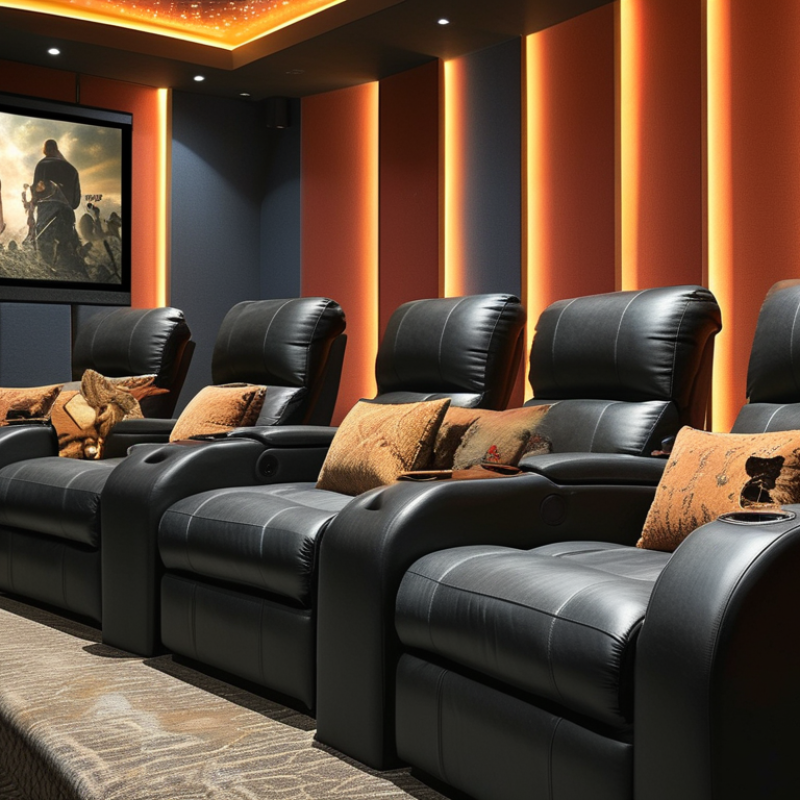
When designing a home cinema, understanding your space's dimensions and layout is crucial. Consider the overall room size. A small room requires different seating than a large one. Measure the length, width, and height. This helps you visualize the seating arrangement. Consider how far the seats will be from the screen. A general rule is to maintain a distance of about 1.5 to 2.5 times the screen size.
The layout impacts the experience as much as the seating itself. A rectangular room may benefit from rows of seats. Circular or square spaces allow for more creative seating arrangements. Think about pathways for easy movement. Avoid clutter that restricts access. Additionally, consider viewing angles and sightlines. Seats placed too high or too low may obstruct the view.
Reflect on the comfort and style of your seating. Balance aesthetic appeal with practical function. Soft, plush seats promote relaxation, but they might not fit tighter spaces. Layout challenges may lead to compromises. Consider the trade-offs between comfort and space efficiency. The right seating enhances the experience when thoughtfully arranged.
: Room layout, comfort, support, and personal preferences are essential. Different seating types have unique benefits and drawbacks.
Recliners offer comfort but can take up more space. Loveseats provide intimacy but may lack individual room for everyone.
Bar stools save space and are stylish, but they may not be comfortable for extended viewing periods. Balance style and comfort.
Proper lumbar support helps prevent lower back pain during long movie sessions. Good ergonomics are crucial for a pleasurable experience.
Adjustability allows for personalized comfort for different body types. Many people prefer seats with adjustable armrests and reclining features.
Set a clear budget that includes seating and accessories. Research options for comfort and durability before making a decision.
Shipping can significantly impact your budget. Consider it when calculating overall costs for home cinema seating.
Showrooms let you evaluate comfort and fit. Online images may misrepresent the actual feel and quality of the seating options.
Measure your area accurately before purchasing. This prevents costly mistakes and ensures a comfortable viewing experience.
Many options show wear and tear, decreasing support. Regularly reflecting on seating condition is vital for maintaining comfort.
In order to understand how to choose the right home cinema seating, it is essential to first assess the dimensions and layout of your dedicated space. This step allows for the selection of seating options that fit well within your home cinema design. There are various types of seating available, from recliners to modular sofas, each providing unique benefits. Comfort and support should also be a priority since optimal viewing experiences hinge on how well the seating accommodates long hours of sitting.
Additionally, integrating aesthetic and design elements plays a crucial role in creating a cohesive look that matches your home cinema's theme. Finally, setting a budget and sourcing quality seating solutions ensures that you can achieve both comfort and style without overspending. By carefully evaluating these factors, you can create an inviting and enjoyable home cinema experience tailored to your needs.

 Atar Furniture