Many people expect a massage sofa to ease tension, yet discomfort can appear after a session. If you have wondered, “why does my back hurt after using a massage sofa,” several explanations may fit. The machine may press too deeply, move across sensitive muscles, or hold your spine in an awkward position. A firm roller under the lower back can feel especially intense after ten or fifteen minutes.
This guide examines five common reasons for post-massage back pain. It considers muscle soreness, poor posture, excessive pressure, unsuitable settings, and existing spinal problems. Each cause can feel different. You might notice dull aching near the shoulder blades, sharp discomfort beside the spine, or stiffness when standing up. Your experience matters, but it does not replace professional assessment.
A massage sofa is not automatically safe for every body. People with recent injuries, nerve symptoms, osteoporosis, pregnancy-related concerns, or chronic spinal conditions should seek medical guidance before using one. Check the chair’s instructions, begin with the lowest intensity, and stop when pain becomes sharp, burning, or persistent. I have found that users often focus on relaxation and ignore small warning signs. That mistake is easy to make. It is also worth reconsidering whether the sofa truly matches your body shape and needs. If pain lasts more than a day or two, spreads into the legs, or comes with weakness or numbness, contact a qualified healthcare professional promptly.
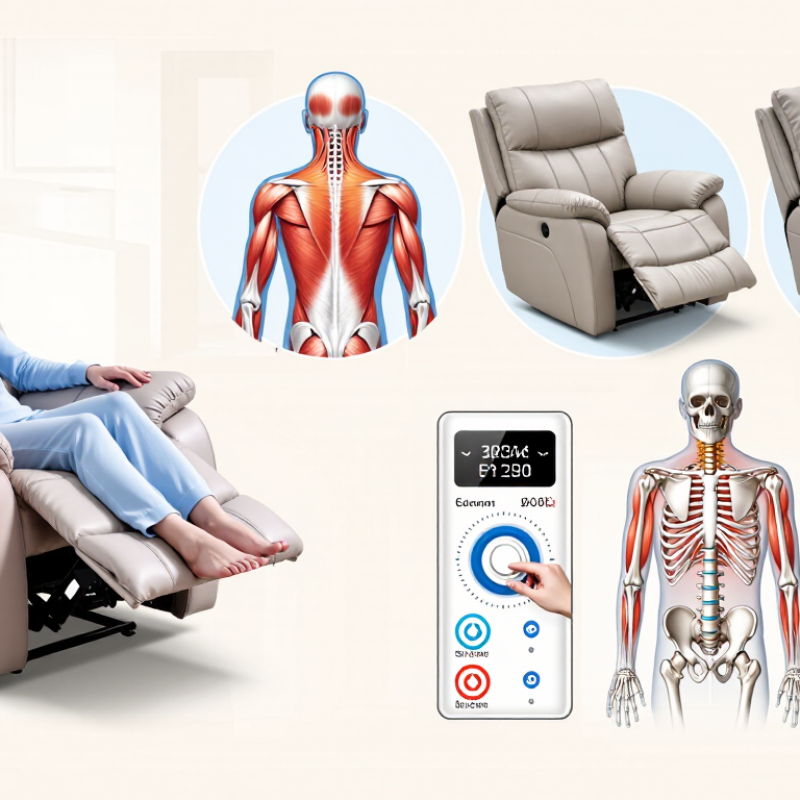
5 Best Reasons Why My Back Hurts After Using a Massage Sofa?
A massage sofa can trigger back pain when its pressure exceeds your body’s tolerance. Deep rollers may press directly on the spine, ribs, or already tender muscles. I once assumed stronger pressure meant better relief. It did not. The next morning, my lower back felt tight and bruised. Muscle guarding can develop when tissues sense excessive force.
Poor positioning is another common reason. If your pelvis slides forward, your lower back may remain curved for too long. A headrest that feels comfortable can still push your neck and spine out of alignment. Long sessions may also irritate a disc, facet joint, or nearby nerve, especially if you already have stiffness or an old injury. Start gently. Ten minutes may be enough.
Incorrect settings create a fifth problem. Heat can reduce pain awareness, while intense vibration hides discomfort temporarily. That can make you stay seated longer than planned. Drink water, keep your feet supported, and stop if pain becomes sharp, burning, or travels down a leg. Numbness, weakness, loss of bladder control, or severe pain needs prompt medical attention. A physiotherapist can assess your posture and settings more accurately than guesswork. My own mistake was treating soreness as proof that the sofa was working. Sometimes soreness is simply a warning.
5 Best Reasons Why My Back Hurts After Using a Massage Sofa?
Incorrect sitting posture and poor body alignment are common causes of back pain after using a massage sofa. A reclined position can feel relaxing, yet your pelvis may slide forward. This rounds the lower back and strains supporting muscles. If your head tilts forward, your neck and upper back also work harder. The massage rollers may then press against tissues that are already tense.
Your body should remain supported, not forced into the sofa’s shape. Keep both feet flat, and place your hips evenly on the seat. Your lower back should rest against the cushion without excessive arching. Adjust the angle slowly. Ten minutes may be enough at first. I once assumed stronger pressure meant better relief, but my stiffness increased the next morning. That experience taught me to notice alignment before intensity.
Tips: Sit with your shoulders relaxed and your chin level. Use a small cushion if your lower back lacks support. Stop if pain becomes sharp, spreads down a leg, or causes numbness. Gentle walking afterward may help your muscles settle. Avoid using the sofa over painful areas repeatedly. If discomfort continues for several days, consult a qualified healthcare professional for an individual assessment.
Incorrect sitting posture and poor body alignment can make a massage sofa uncomfortable when the spine, hips, knees, or feet are not properly supported. The chart shows midpoint values from commonly recommended ergonomic sitting ranges.
Keeping the lower back supported, the trunk slightly reclined, and the hips, knees, and elbows near right angles may help reduce unnecessary spinal and muscle strain.
5 Best Reasons Why My Back Hurts After Using a Massage Sofa?
Excessive massage pressure is a common reason for back pain after using a massage sofa. Deep rollers can press against tight muscles, joints, and sensitive nerves. Instead of relaxing, the tissue may become irritated. Soreness can feel like a deep bruise the next morning. I have noticed that many users increase the intensity, expecting faster relief. That approach can backfire.
Prolonged use creates another problem. Remaining in one position for thirty minutes or longer may overload the lower back. Repeated pressure can also leave muscles tense after the session ends. Short sessions are usually easier to tolerate. Try five to ten minutes at a gentle setting. Keep your spine supported and avoid leaning heavily into the rollers. Pain is not proof that the massage is working.
Pay attention to the type of discomfort. Mild muscle soreness may improve within a day. Sharp pain, numbness, tingling, weakness, or pain spreading into the leg deserves more caution. Stop using the sofa when these symptoms appear. A healthcare professional can assess whether the problem involves a muscle, joint, or nerve. I would also reconsider the routine itself. More pressure is not always better, and longer sessions are not automatically more effective.
A massage sofa can feel soothing, yet it may aggravate an existing back condition. Disc problems, spinal arthritis, scoliosis, or previous injuries can make pressure unpredictable. A rolling mechanism may press directly on an inflamed area. That discomfort is not always a sign of effective treatment.
Muscle sensitivity also matters. Tight muscles may react with protective spasms instead of relaxing. This can happen when the rollers move too deeply or stay too long in one spot. I have noticed that people often increase the intensity too quickly. That choice seems reasonable, but it can leave the back tender for hours. Start with the lowest setting. Keep the first session brief. Gentle heat may help, but heat should not cover sharp or spreading pain.
Pay attention to timing and symptoms. Mild soreness can occur after unfamiliar pressure, while numbness, weakness, burning pain, or pain traveling down a leg deserves medical advice. People with osteoporosis, recent surgery, fractures, or unexplained back pain should ask a qualified healthcare professional before using massage equipment. The instruction manual cannot assess your spine. I sometimes underestimate that limitation. Position also changes pressure; sinking too deeply into the sofa may increase strain. Stop if symptoms worsen, and record the setting, duration, and pain pattern for a clinician.
A massage sofa can leave your back sore when its settings do not match your body. I once assumed stronger pressure meant better relief. That assumption was wrong. Excessive force may irritate tight muscles, especially around the lower back. A fixed roller can also press directly against the spine instead of the surrounding muscles.
Adjust the sofa before increasing intensity. Keep your feet supported and your hips level with your knees. Your back should rest naturally, not arch sharply. Start with the gentlest program for five to ten minutes. Move the rollers away from painful areas. If the sofa has heat, use mild warmth and check your skin often. Stop if you feel burning, numbness, tingling, or sharp pain. These sensations should not be ignored.
Short sessions are safer than long ones. Drink water, then walk gently for a few minutes. Do not stretch aggressively after intense pressure. I would also check the sofa’s position each time, because small changes can affect spinal comfort. My own mistake was leaning forward to “chase” the massage. That increased strain. If pain lasts beyond a day or two, keeps returning, or travels down a leg, speak with a qualified healthcare professional. People with recent injuries, osteoporosis, or unexplained back pain should seek medical advice before using massage equipment.
| Common Reason | What May Be Happening | Typical Clues | Safe Adjustment Steps | What to Expect |
|---|---|---|---|---|
| 1. Excessive massage intensity Most common avoidable factor | Strong rollers, percussion, or deep pressure can temporarily irritate muscles and other soft tissues, especially when the body is not accustomed to the pressure. | Muscle tenderness, stiffness, or soreness that feels similar to post-exercise discomfort and is concentrated where the massage was strongest. | Reduce the intensity to the lowest comfortable setting. Choose a gentle or recovery mode, shorten the session, and stop if the pressure feels sharp, bruising, or intolerable. | Mild soreness should generally improve with rest and gentle movement. Persistent or worsening pain should be assessed by a healthcare professional. |
| 2. Poor body or spine positioning | If the head, pelvis, or lower back is not supported, the sofa may place the spine in an uncomfortable angle or increase strain on already tense muscles. | Pain changes when posture changes; discomfort may be greater on one side or near the lower back after reclining. | Sit fully back against the support, keep the pelvis centered, relax the shoulders, and use only the built-in position that keeps the spine comfortable. Do not force the body into a preset angle. | Symptoms should lessen when alignment and support improve. Stop using the sofa if a position consistently reproduces pain. |
| 3. Session duration or frequency is too high | Repeated mechanical stimulation without enough recovery time may leave muscles irritated or fatigued, particularly after long periods of sitting. | Soreness appears after longer sessions, occurs on consecutive days, or accumulates over several uses. | Start with a short, gentle session and allow the body time to recover. Avoid repeatedly treating the same painful area in one day. Follow the sofa’s safety instructions. | Discomfort should gradually settle after reducing exposure. Do not use massage to push through increasing pain. |
| 4. A pre-existing back condition is being aggravated | Massage may aggravate an underlying problem such as a muscle strain, irritated joint, disc-related pain, or inflammation. Massage is not a substitute for diagnosis or treatment. | Pain was present before the session, returns every time, radiates into the leg, or is accompanied by numbness, tingling, or weakness. | Stop the massage, avoid high-pressure settings, and arrange a medical evaluation if symptoms persist or recur. Do not use the sofa over an area of acute injury or significant inflammation. | Nerve-related symptoms or recurring pain require professional assessment rather than stronger massage. |
| 5. The massage is being used at the wrong time Use caution | Massage can be unsuitable during acute injury, severe unexplained pain, recent surgery, significant bruising, or certain medical conditions. | Sudden severe pain, visible swelling or bruising, fever, unusual weakness, or symptoms beginning after an accident or procedure. | Do not massage the painful area. Seek advice from a qualified healthcare professional before restarting, particularly after surgery or when taking medication that increases bleeding risk. | The correct next step depends on the cause. Urgent symptoms should not be managed with a massage sofa. |
| Quick safety check | Back pain can occasionally signal a condition requiring prompt care rather than home massage. | New loss of bladder or bowel control, numbness around the groin, severe or progressive leg weakness, or back pain after major trauma. | Stop using the sofa and seek urgent medical care. Also obtain prompt advice for fever with back pain, unexplained weight loss, or severe pain that does not improve. | These warning signs warrant medical assessment and should not be treated by increasing massage intensity. |
Strong rollers may press on the spine, ribs, joints, or tender muscles. Too much pressure can irritate tissue. Soreness is not always progress.
Yes. Staying seated for thirty minutes may overload the lower back. Try five to ten minutes instead. Shorter is safer.
Begin with the lowest intensity. Keep your spine supported and your feet flat. Increase pressure slowly, if your body tolerates it. Do not chase discomfort.
Yes. Sliding your pelvis forward can keep your lower back overly curved. A headrest may also shift your neck and spine. Small posture changes matter.
Existing disc problems, arthritis, scoliosis, or old injuries may react unpredictably. Pressure can aggravate an inflamed area. Ask a qualified healthcare professional beforehand.
Mild muscle soreness may improve within a day. It can happen after unfamiliar pressure. Still, I once treated soreness as proof of success. That was a poor assumption.
Stop if pain becomes sharp, burning, or spreads down a leg. Numbness, tingling, weakness, or worsening pain also require caution. Do not push through it.
Heat and intense vibration may temporarily reduce pain awareness. You might remain seated too long. Check your symptoms after the session, not only during it.
Seek prompt medical attention for severe pain, weakness, numbness, or bladder-control changes. A physiotherapist can review your posture and settings. Guesswork has limits.
If you have ever wondered, “why does my back hurt after using a massage sofa,” the answer may involve several factors. Incorrect sitting posture, poor body alignment, or insufficient support can place extra strain on the spine and surrounding muscles. A massage sofa may also cause discomfort when the pressure is too strong, the massage setting is unsuitable, or the session lasts too long. Instead of relaxing tight muscles, excessive stimulation can leave the back feeling sore, tender, or fatigued.
Existing back problems, muscle sensitivity, or recent physical strain may make discomfort more likely. To use a massage sofa safely, sit with your back properly aligned, keep your feet supported, and begin with a gentle setting for a short period. Adjust the position and intensity according to your comfort, and stop if pain increases, spreads, or feels unusual. Allow your muscles time to recover between sessions, and seek professional medical advice if back pain continues or becomes severe.
